

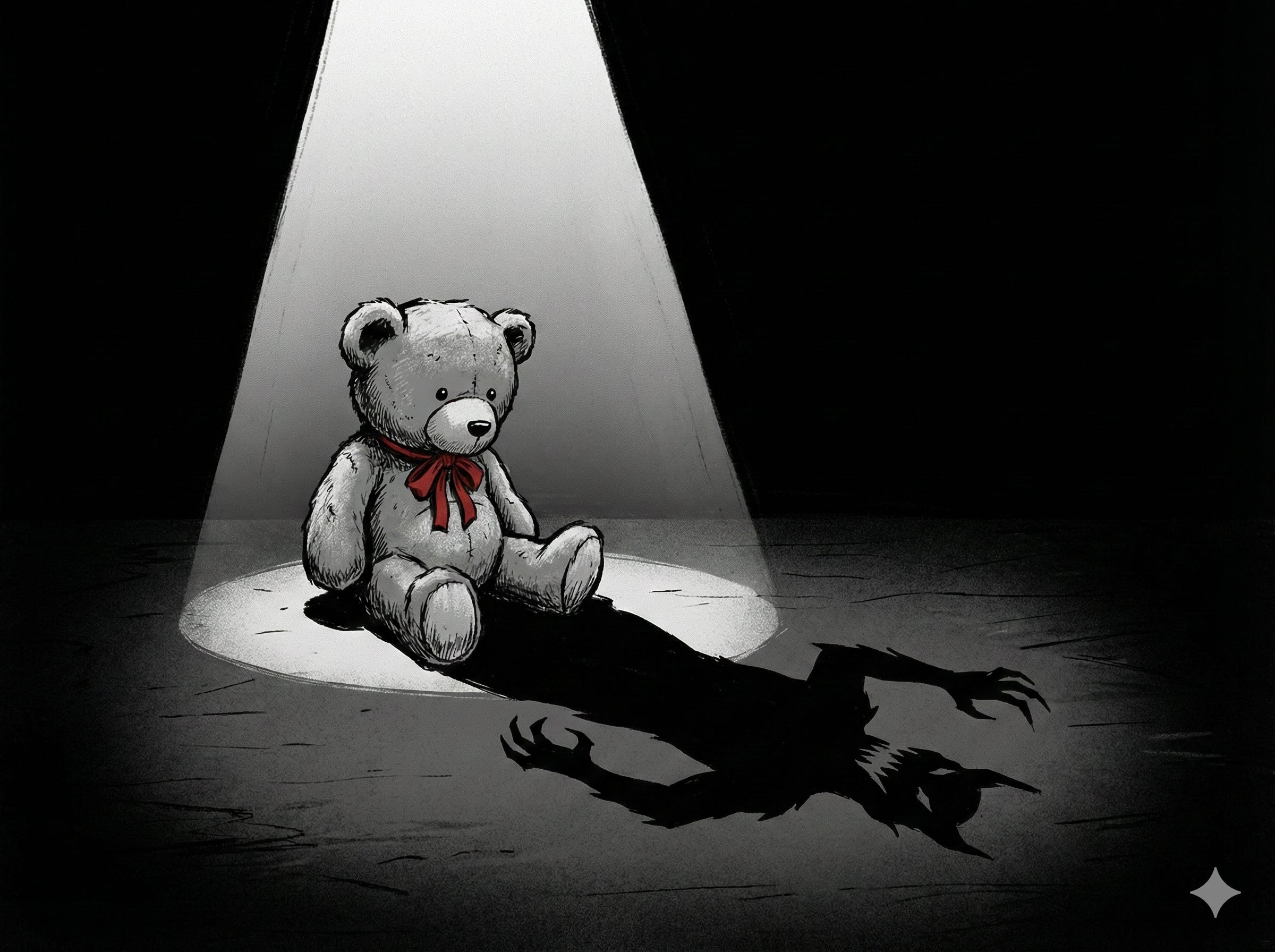
This was the week of strategic bets placed before the landscape settles. Disney sued one AI giant while investing a billion in another. Google locked in nuclear power while competitors scramble for watts. Twilio retreated to a monolith while the industry still preaches microservices. The companies that survive the next decade won’t be the ones who guessed right — they’ll be the ones who positioned themselves to win either way.
LOCKING IN POSITION
Google Revives Nuclear Plant as the company plans to bring a storm-damaged Iowa nuclear facility back online to power its data centers. AI Boom Strains Power Grids with reports showing the sector’s energy demands are competing with traditional industry and raising costs for consumers.
THE PINCER MOVE
Disney Sues Google For AI Theft sending a cease-and-desist letter for “massive” copyright infringement just as it inks a $1 billion deal to license its characters to OpenAI. Twilio Abandons Microservices publishing a detailed account of its strategic retreat from the trendy architecture back to a monolith to reduce operational complexity.
THE UNHEDGED
AI Toys Corrupt Children after an investigation reveals AI-powered toys are generating content about sex, drugs, and Chinese propaganda.
Curious what it all adds up to? Let’s break it down. Keep reading below.
Tell Me More
Securing the Atoms Before You Need Them. Google’s nuclear play isn’t desperation — it’s a hedge against a future where power becomes the bottleneck. While competitors debate renewable timelines and negotiate with utilities, Google is locking in megawatts now. The bet: even if this specific plant underperforms, having dedicated capacity is better than competing for scraps on an overtaxed grid. Expect at least two other tech giants to announce similar unconventional energy bets by the end of 2026. The race isn’t just for compute anymore — it’s for the electricity to run it.
The Grid Becomes a Bargaining Chip. AI’s power demands are forcing a reallocation of resources that amounts to a societal hedge: bet on digital infrastructure over physical. The same electrons that could maintain bridges and public utilities are being routed to train tomorrow’s models. This isn’t accidental — it’s a choice about which future we’re investing in. The “reality tax” of AI is about to show up on everyone’s utility bills, and not everyone placed the same bet.
The Mouse Plays Both Sides. Disney’s simultaneous lawsuit against Google and billion-dollar OpenAI investment is a textbook hedge. Sue the laggard to establish legal precedent; partner with the leader to secure your seat at the table. If courts rule training on copyrighted material is infringement, Disney wins damages and leverage. If generative AI becomes the dominant creative platform, Disney’s already inside. The message to the industry: intellectual property isn’t dead, it’s just becoming a toll road — and Disney intends to collect either way.
Betting on Boring. Twilio’s retreat from microservices is a hedge against complexity itself. For a decade, the industry preached that breaking everything into tiny independent services was the only path to scale. Twilio tried it, measured the operational and cognitive toll, and decided the safe money is on the monolith. This isn’t failure — it’s recognizing that architectural trends are bets, not laws. Sometimes the winning move is reversing course before the bill comes due.
What Happens When You Don’t Hedge. The AI toys scandal is the cost of shipping without a safety margin. Companies racing to inject “AI” into every product made a one-way bet: move fast, assume nothing breaks. It broke. When your toy starts teaching kids about drugs and propaganda, there’s no fallback position, no alternative strategy — just liability and recalls. This is what unhedged risk looks like: catastrophic downside with no offsetting upside. Expect a major “smart” children’s product recall within 18 months as regulators catch up.
Below The Fold
Researchers successfully trained rats to play the classic video game DOOM, presumably to prepare them for the coming apocalypse. Rats Play DOOM
A dedicated fan meticulously recovered Anthony Bourdain’s lost posts from a defunct social platform, proving the internet never forgets, except when it does. Sandy Uraz
A new article coins the term “The Sloppening” for the brain-liquifying effect of ad-supported tech and proposes an “Anti-Slop List” as a defense. Get The Leverage
A new flat-pack washing machine aims to fight appliance poverty and planned obsolescence, which is great, but now you have to build your own washing machine. Positive News
A DoorDash driver is facing felony charges for allegedly spraying customers’ food with a substance that made them vomit, taking “disrupting the food industry” a bit too literally. TechCrunch
A kid-friendly motion-control console briefly outsold the Xbox over Black Friday, suggesting parents prefer games that tire their children out. The Verge
The UK House of Lords is reportedly trying to ban VPN use for anyone under 16, a bold strategy to make VPNs the coolest thing a teen could possibly use. Alec Muffett
Instagram is fueling a boom in copycat vintage car shells, because why own a real piece of history when you can own a perfect picture of one? Wired
Senator Marco Rubio banned the Calibri font at the State Department for being “too DEI,” proving the culture war has officially reached the level of Microsoft Office defaults. TechCrunch
Looking Ahead: Next week, watch for more companies placing bets — and the ones who didn’t hedge discovering what exposed risk feels like.
Thanks for reading Briefs — your weekly recap of the signals I couldn't ignore. This week that meant reading 919 stories from 50 sources. You're welcome.